
Ultimate Guide in Choosing the Right Server Rack in Singapore 2026
By Techcom Engineering Pte. Ltd.
Published: January 9, 2026 at 10:34 am
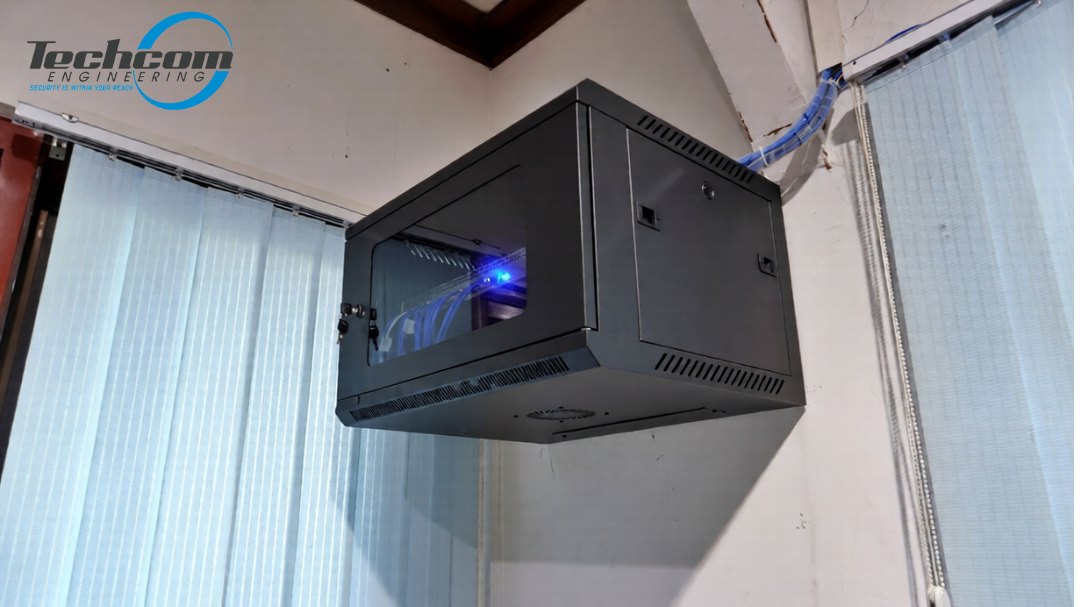
Shop high-quality Server Rack trusted across Singapore.
Server racks are the backbone of any organised IT setup — whether in data centres, server rooms, network closets, CCTV infrastructure, communication rooms, or office networks. In Singapore’s high-density commercial and industrial environments, where space is limited and reliability is critical, choosing the right server rack system is not just about storing equipment neatly. It directly affects cooling efficiency, physical security, ease of maintenance, system scalability, and long-term operational costs.
A well-designed server rack layout helps prevent overheating, reduces cable clutter, protects valuable hardware, and makes future upgrades far easier. On the other hand, poor rack planning can lead to frequent downtime, difficult troubleshooting, and costly equipment failures — issues that no business can afford in today’s always-connected environment.
Whether you are setting up a small office network, upgrading a CCTV monitoring room, expanding a telecom closet, or planning a full server room installation, understanding how server racks work and how to choose the right type is essential to building a stable and future-ready IT infrastructure.
In this guide, we’ll walk you through everything you need to know about server racks — from understanding what they are and why they matter, to choosing the right rack type for your space, planning proper airflow and cabling, and selecting reliable server rack solutions available in Singapore to support your next IT, CCTV, or network rollout.
What This Guide Will Cover
This article will help you understand:
• What a server rack is and why it’s essential for modern IT systems
• Differences between rack types — open frame, enclosed cabinets, wall-mount
• Industry usage scenarios — data centers, telecom closets, office and CCTV setups
• How to select the right rack based on space, load, cooling, and scalability
• Best practices for planning, cabling, and airflow
• Server rack products you can buy in Singapore
What Is a Server Rack? A Simple Explanation
A server rack is a strong metal frame or enclosed cabinet used to safely store and organize IT and network equipment in one central place. It protects devices, supports proper airflow, and allows easy access for maintenance. Server racks are commonly used in offices, data centers, schools, and commercial buildings to keep technology systems neat, secure, and well-managed.
A server rack can hold many important components, including:
Servers – The main computers that store data, run applications, and manage business systems.
• Routers and network switches – Devices that connect computers, CCTV cameras, and other equipment so data can move quickly and reliably across the network.
• Patch panels – Connection boards where network cables are neatly terminated, making it easier to manage, label, and troubleshoot wiring.
• Storage devices (NAS or storage servers) – Used to store backups, video recordings, and shared company files.
• CCTV recorders (NVR or DVR) – Equipment that records and stores video footage from security cameras.
• UPS (Uninterruptible Power Supply) – Backup power units that keep systems running during power interruptions and protect equipment from sudden shutdowns.
• Cable management accessories – Trays and organizers that guide cables properly to improve airflow and keep the rack tidy.
Most server racks follow the 19-inch industry standard, which allows equipment from different brands to fit securely. Equipment height is measured in rack units (U), where 1U equals 1.75 inches. Common rack sizes include 12U, 24U, 32U, and 42U, making it easy to choose the right rack based on current equipment and future expansion needs.
By organizing equipment vertically and securely, server racks help improve airflow, reduce cable clutter, and protect valuable devices, resulting in better performance, easier maintenance, and a more reliable setup for IT networks, CCTV systems, and telecommunications infrastructure.
For reliable and professional network setups, You may also check out our complete Fiber Cabling solutions in Singapore.

Need help choosing the right Server Rack? Contact us for expert advice and a free quotation.
Why You Need a Server Rack?
Professional Organization and Cable Management
Without a proper server rack, IT and network equipment can quickly become messy. Cables get tangled, devices are placed randomly, and even simple troubleshooting can take much longer. This increases the risk of connection problems, overheating, and accidental disconnections.
A server rack helps keep everything properly arranged by providing:
• Vertical equipment mounting – Devices are stacked neatly, saving space and improving airflow.
• Structured cable routing paths – Cables are guided through proper channels to prevent tangling and damage.
• Patch panel installation – All network cables are organized in one place, making it easier to manage and upgrade.
• Clear labeling and tidy layout – Technicians can quickly identify and fix issues without disturbing other connections.
With better organization and airflow, your network becomes more stable, easier to maintain, and less likely to experience downtime, which is critical for business operations, CCTV systems, and internet connectivity.
Better Cooling and Airflow
All electronic equipment produces heat while operating. If this heat is not released properly, devices can overheat, slow down, or even fail over time. Poor ventilation also shortens the lifespan of servers and network equipment.
Server racks are built to support effective cooling by providing:
• Front-to-back airflow design – Cool air enters from the front and hot air exits from the back, following standard equipment airflow patterns.
• Compatibility with room air-conditioning and data center cooling systems – Racks work together with HVAC systems to maintain stable operating temperatures.
• Ventilated doors and fan tray support – Allows hot air to escape faster and improves airflow inside the rack.
With proper airflow management, equipment stays cooler, runs more efficiently, and performs reliably even under heavy workloads, helping to prevent costly breakdowns and system interruptions.
Physical Security
Server racks not only organize equipment, but also help protect it from physical risks. In offices, schools, and shared technical rooms, devices can be exposed to accidental bumps, dust, moisture, or unauthorized handling.
Many rack cabinets are designed with built-in security features, such as:
• Lockable front and rear doors – Prevent unauthorized access to servers and network devices.
• Lockable side panels – Protect equipment from tampering and accidental contact.
• Strong, reinforced frames – Support heavy equipment safely and reduce vibration or movement.
These security features help protect critical systems from damage and misuse, making server racks especially important in public areas, shared offices, and commercial environments where equipment safety and reliability are a priority.
Scalability and Future-Proofing
As your business grows, your network and IT equipment will also increase over time. Without proper planning, adding new devices can become difficult, messy, and expensive.
Server racks are designed to support future expansion by offering:
• Standard rack unit (U) sizing – Makes it easy to add or replace equipment without changing the entire setup.
• Adjustable mounting rails and shelves – Allows different device sizes and layouts to fit properly.
• Extra space for future equipment – Helps you plan for upgrades without overcrowding the rack.
With a scalable rack system, you can upgrade your infrastructure gradually and cost-effectively, without major reinstallation work, ensuring your IT, CCTV, and network systems are ready for future business needs.
Types of Server Racks You Should Know
Depending on your setup, space, and requirements, different rack styles serve different purposes.
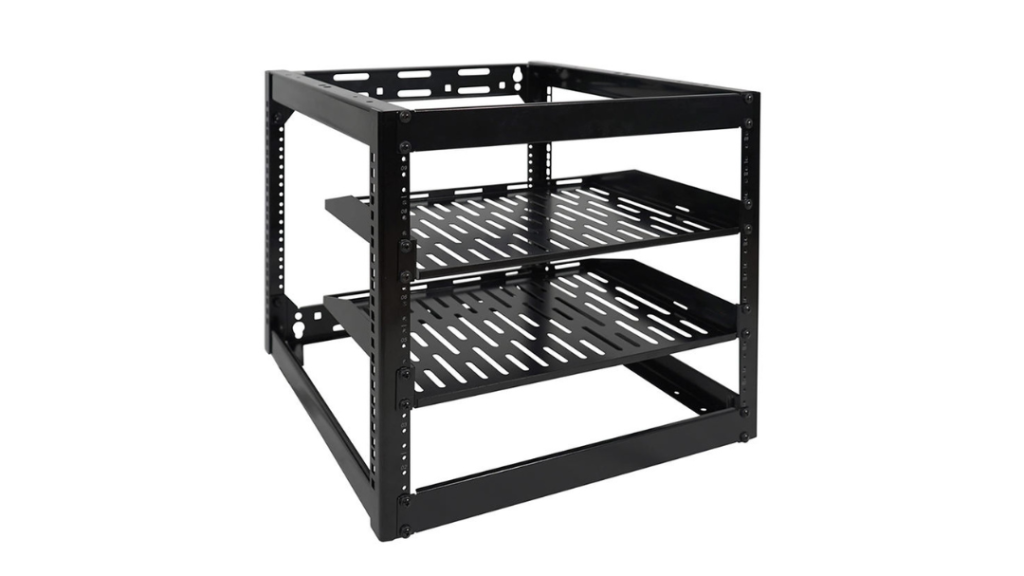
Open Frame Racks — Simple and Accessible
Open frame racks are basic steel frames without doors or side panels. They’re perfect when:
• You have a controlled environment
• Security is not a key concern
• You need easy access for frequent hardware changes
Open racks offer excellent airflow and low cost, making them a common choice for internal server rooms and secure IT closets.

Enclosed Server Rack Cabinets — Full Protection
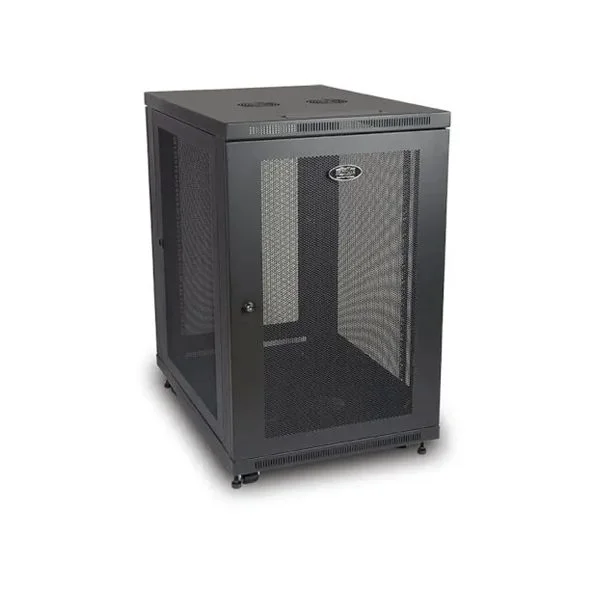
Enclosed cabinets include lockable doors and removable side panels. These are ideal when you need:
• Enhanced physical security
• Dust and environmental protection
• A professional equipment setup
• Enclosed racks are often used in:
• Commercial server rooms
• Telecom closets
• CCTV infrastructure rooms
They also support accessories like PDUs (Power Distribution Units) and UPS mountings.
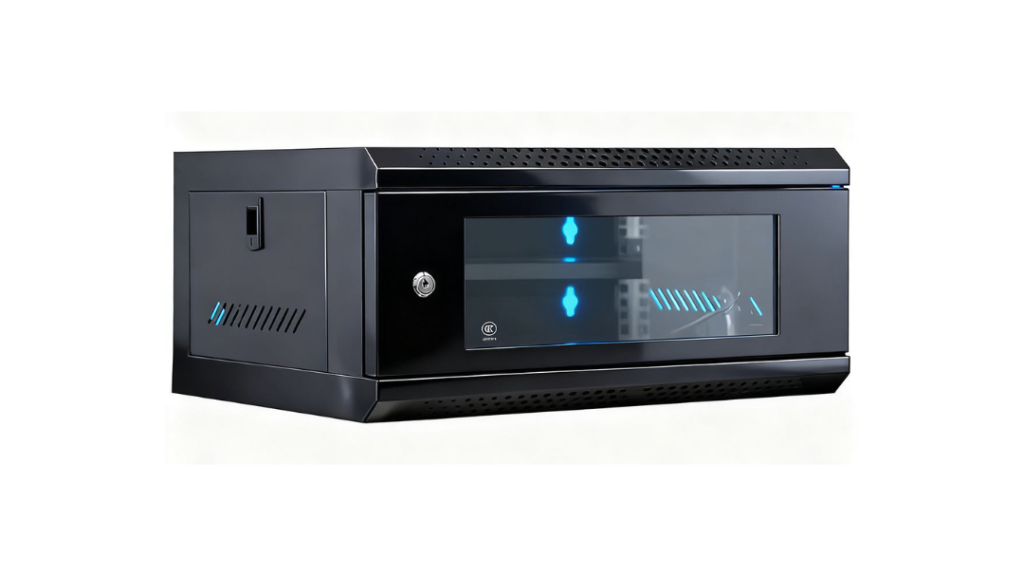
Wall-Mount Server Racks — Space-Saving Solutions
Wall-mount racks are compact enclosures fixed to walls. These are suitable when:
• Floor space is limited
• You’re deploying lightweight network devices
• The setup is for small offices or back closets
Wall racks are especially common in branch offices and small server closets for networking gear.
Common Uses for Server Racks in Singapore
Data Centers & Server Rooms
Large rack deployments with structured cabling, cooling aisles, power redundancy, and professional installation. These setups demand high performance and reliability.
Telecom Closets
Racks house switches, patch panels, and connectivity interfaces — essential for building-wide networks and backbone infrastructure.
CCTV and Security Installations
CCTV NVRs (Network Video Recorders), PoE switches, UPS units, and network gear are often rack mounted to centralize monitoring infrastructure.
Office and Enterprise Networks
Small to mid-size businesses use server racks to organize all networking and compute gear in secure IT closets or server rooms.

Browse our full range of Server Racks for all types of installations in Singapore.
How to Choose the Right Server Rack?
Selecting the right rack depends on several factors.
Rack Height (U Size)
Choosing the right server rack depends on how much equipment you have now and how much you may add in the future. Selecting the correct size and type of rack helps prevent overcrowding, overheating, and costly upgrades later on.
Rack Height (U Size)
Rack height is measured in rack units (U), where 1U equals 1.75 inches. You should calculate the total height of all your equipment and then allow extra space for future expansion and airflow.
As a general guide:
• 12U–18U racks – Suitable for small offices, retail shops, or CCTV network closets with basic equipment.
• 24U–32U racks – Ideal for medium-sized networks with multiple switches, patch panels, and recording systems.
• 42U and above – Designed for full server rooms and larger data centers with high equipment density.
Choosing the correct rack height ensures your equipment fits comfortably, stays well-ventilated, and remains easy to maintain as your system grows.
Depth and Weight Capacity
When choosing a server rack, it is important to make sure the rack is deep enough for your largest equipment and strong enough to support the total weight of all devices.
Some servers, UPS units, and storage systems are deeper and heavier than standard network equipment. If the rack is too shallow or not designed for heavy loads, installation can become difficult and unsafe.
Always check for:
• Sufficient rack depth – Ensures deep servers, UPS units, and cable connections fit comfortably with proper airflow.
• High load-bearing capacity – Strong frames and mounting rails are needed to safely support heavy equipment without bending or instability.
Choosing the correct depth and weight rating helps protect your equipment, improves safety, and prevents future replacement costs when upgrading your system.
Cooling and Ventilation
Good cooling is essential to keep servers and network equipment running safely and efficiently. Without proper ventilation, heat can build up inside the rack and cause performance issues or hardware failure.
When selecting a server rack, look for features such as:
• Perforated or ventilated doors – Allow hot air to escape while still keeping equipment protected.
• Support for fan modules or fan trays – Helps actively remove hot air from inside the rack when needed.
• Compatibility with hot aisle and cold aisle airflow layouts – Allows the rack to work efficiently with room air-conditioning and data center cooling designs.
These ventilation features help maintain stable operating temperatures, improve system performance, and extend the lifespan of your IT, CCTV, and network equipment.
Security Features
Protecting your equipment from unauthorized access, tampering, or accidental damage is essential, especially in offices, shared workspaces, or public areas.
Many server racks offer built-in security features, such as:
• Lockable front and rear doors – Restrict access to servers, switches, and other network devices.
• Tamper-resistant side panels – Prevent unauthorized access or accidental contact with equipment.
• Robust, solid construction – Reinforced frames provide extra protection against physical damage.
These security measures help safeguard your IT, CCTV, and network infrastructure, giving you peace of mind that your critical equipment is safe and reliable.

Shop high-quality Server Rack trusted across Singapore.
Practical Tips for Your Server Rack Setup
Having the right Server Rack is only part of the process. For a reliable server rack installation:
✔ Plan cable pathways early — use labelled patch panels and cable managers
✔ Leave room for airflow — avoid blocking ventilation routes
✔ Distribute weight properly — place heavier equipment at the bottom
✔ Use racks with removable doors and panels for easier maintenance
✔ Consider UPS and power distribution for clean and stable power delivery
Professional installation ensures safety and compliance with electrical and building standards.
Server Rack Products You Can Buy in Singapore
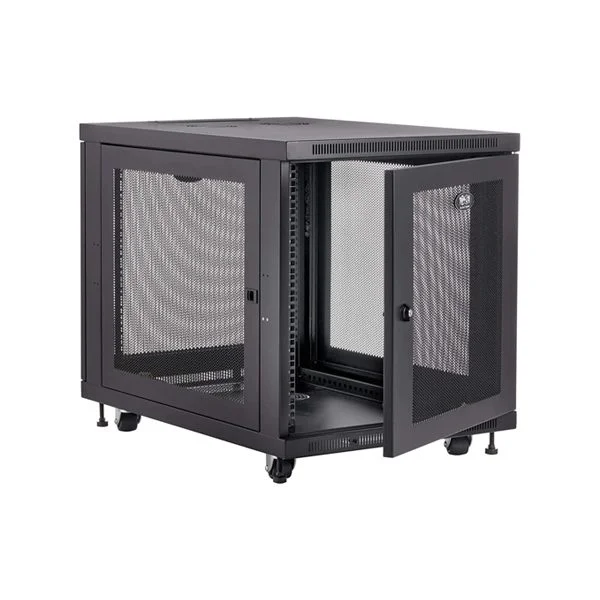
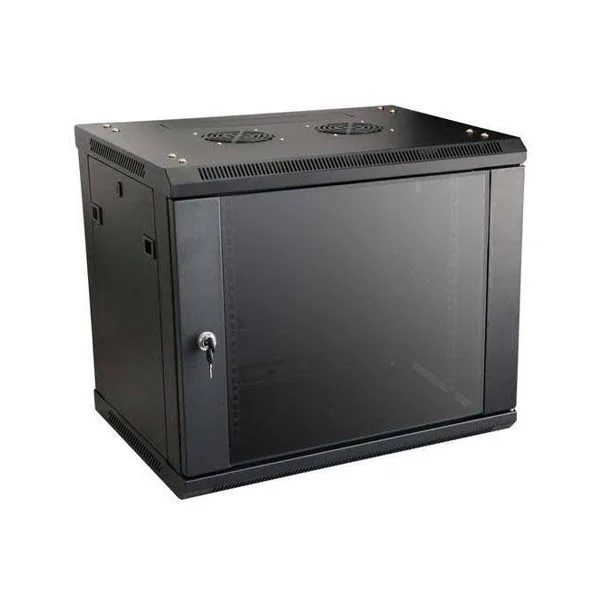
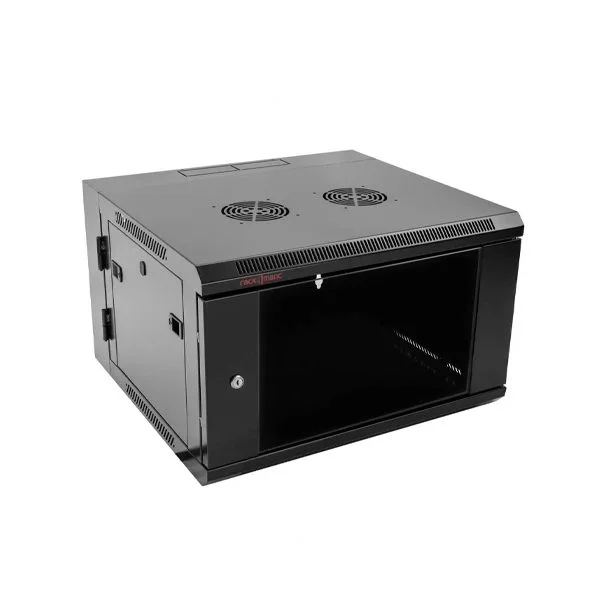
Here are some of the popular server rack options you can get right now on Techcom Engineering Pte. Ltd.
Frequently Asked Questions (FAQ)
1. What is a server rack used for?
A server rack is used to securely mount and organise IT equipment such as servers, switches, routers, patch panels, and power systems in a structured vertical layout. It helps keep equipment neat, improves airflow for cooling, and makes maintenance and upgrades much easier. Server racks are commonly used in data centres, server rooms, telecom closets, CCTV control rooms, and office network environments.
2. What does 1U, 2U, 3U, and 4U mean?
“U” stands for Rack Unit, which is the standard measurement of height for rack-mounted equipment.
• 1U = 1.75 inches (44.45 mm)
• 2U = 3.5 inches
• 3U = 5.25 inches
• 4U = 7 inches
These measurements indicate how much vertical space a device occupies inside the rack. For example, a 2U server takes up twice the height of a 1U server. Knowing the U size helps you plan how many devices can fit into your server rack.
3. What is another name for a server rack?
A server rack may also be referred to as a rack cabinet, network rack, IT rack, or data rack, depending on its application. When fully enclosed with doors and side panels, it is often called a server rack cabinet. In networking environments, it is sometimes called a network cabinet or telecom rack.
4.What are the advantages of rack servers?
Rack servers are designed to fit neatly into server racks, making them highly space-efficient and easy to manage. Compared to standalone tower servers, rack servers offer better cooling, easier cable management, and simplified maintenance. They also allow businesses to scale their IT infrastructure more efficiently by adding or replacing servers without changing the entire layout.
5. How many servers can fit in a rack?
The number of servers that fit in a rack depends on the rack height (measured in U) and the size of each server. For example, in a 42U rack, you could fit:
• Up to 42 units of 1U servers, or
• Around 21 units of 2U servers, or
• A mix of different equipment sizes including switches, storage, and UPS systems.
In real-world setups, not all rack space is used for servers alone, as space is also needed for networking equipment, cable management, and power devices.
Conclusion:
A server rack isn’t just a metal cabinet — it’s the foundation of organized, secure, and scalable infrastructure in any modern IT, CCTV, or networking environment.
Whether you’re setting up a small CCTV network, upgrading your office server room, or planning a fully structured IT rollout, the right server rack system makes all the difference.
Need expert help setting up your server rack?
Looking for reliable and professional server rack supply and installation? Techcom Engineering Pte Ltd is your trusted partner in Singapore, providing end-to-end server rack solutions for offices, schools, data rooms, and commercial facilities. From selecting the right rack size to proper installation and cable management, our experienced team ensures your IT equipment is organized, secure, and ready for long-term operation.
Click here to schedule a free consultation with Techcom Engineering and get a professional server rack solution tailored to your requirements.


